Experience Secure Storage at Copper Mountain Self Storage Casa Grande
Optimize Your Space: Uncover Affordable Self Storage Options for Every Need
Making the most of room is growing crucial in today's fast-paced world. Life shifts often require a reassessment of one's storage needs. Budget-friendly self-storage solutions offer a variety of choices, catering to various requirements. From basic spaces to climate-controlled spaces, these facilities can accommodate both individual and business items. Knowing the various kinds and benefits of self-storage can lead to smart choices. What considerations should one think about when choosing the perfect storage option?
Circumstances You Might Want Independent Storage
Several individuals find themselves in requiring self-storage, especially during changing life events. Relocations, whether for job opportunities or personal reasons, often require short-term options for housing belongings. Moreover, life changes, such as marriage, divorce, or the arrival of a new household addition, can produce an pressing need for extra space.
Seasonal merchandise, like holiday decorations or sports equipment, motivate individuals to seek storage options as well. Home remodeling also necessitate self-storage, providing a safe place for furniture and belongings while work is completed.
Students transitioning between semesters may need a storage solution for dormitory items. Finally, businesses often leverage self-storage for excess inventory or equipment, opening up valuable office space. In these scenarios, self-storage acts as a convenient and adaptable option, satisfying the diverse needs of individuals and families alike.
Various options of Self-Storage Units to Assess
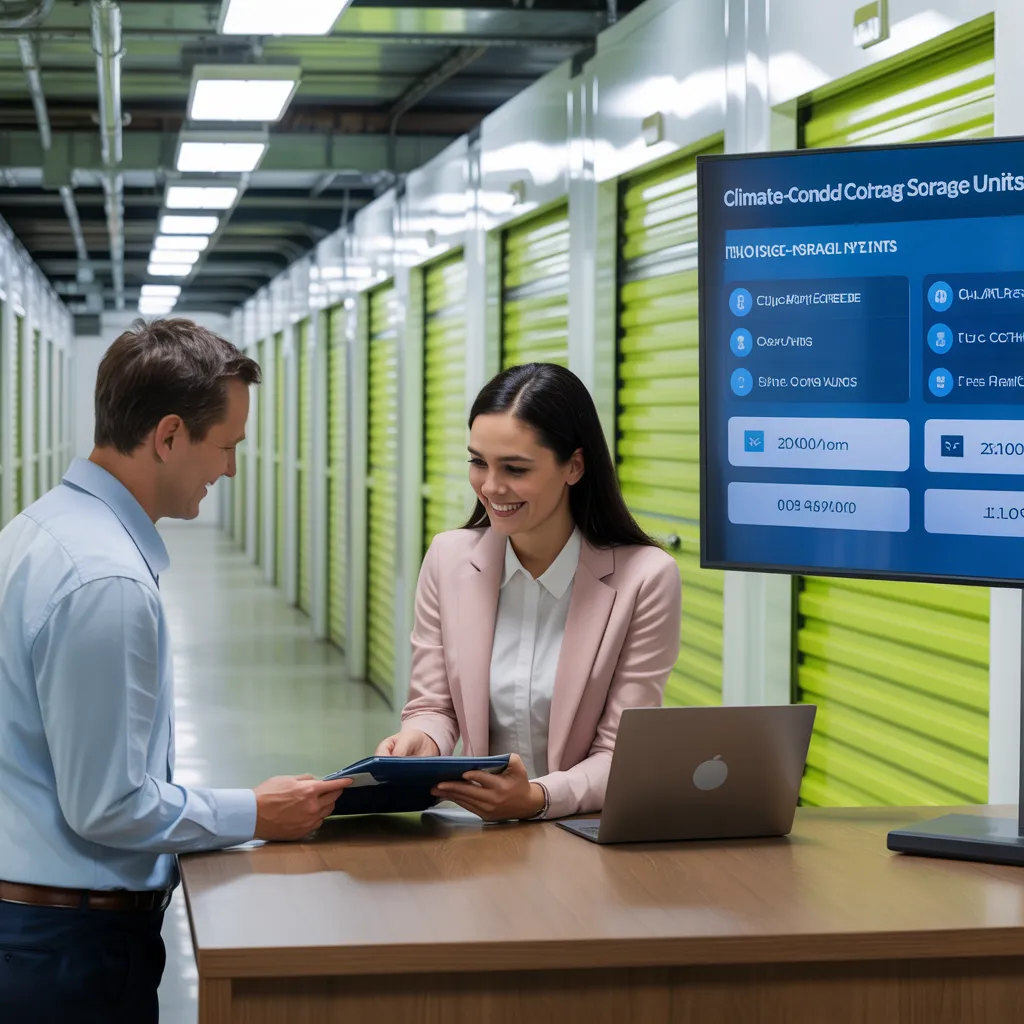
Picking the right self-storage unit can greatly affect the efficiency and convenience of keeping personal or business belongings. Different kinds of storage solutions serve different needs. For instance, basic storage spaces are ideal for everyday storage needs, providing a safe location for furniture, boxes, and seasonal goods. Climate-controlled units are essential for delicate belongings like electronics and artwork, maintaining a stable temperature and humidity level.
Businesses gain access to commercial storage units providing expansive areas and including options like 24-hour access and dock facilities for loading. Drive-up units allow for easy vehicle access, making the process of loading and unloading effortless. To conclude, purpose-built storage options, including automobile or watercraft storage, house oversized items requiring extra space. Via comprehension of these options, individuals and businesses can choose a self-storage solution meeting their unique requirements and optimizing their available space.
Comprehending the Benefits of Self-Storage Options
Why should self-storage solutions fortify organization and efficiency in personal and business contexts? Self-storage represents a practical method to tidy zones, facilitating individuals and businesses to maintain order and accessibility. By granting extra space for items not in regular operation, self-storage rentals can enable streamline functions, whether seasonal merchandise levels for a business or personal belongings during a home restoration.
Self-storage can also act as a interim space during major changes, such as moving or downsizing, making the process less stressful. For businesses, it can minimize on-site congestion, enabling a more organized and focused workplace. Security features often included in self-storage facilities, such as surveillance and access controls, give peace of mind concerning valuable items. Ultimately, self-storage solutions can significantly enhance organization and efficiency, fostering a more productive and comfortable environment for both personal and professional needs.
Finding the Right Storage Unit Size?
Determining the suitable storage unit dimension can significantly affect the efficiency of a storage solution. Selecting a space that is insufficient discover details on can cause overcrowding, making access challenging and arguably harming items. Conversely, opting for an excessively large space may cause wasted money and wasted space.
To make an well-reasoned choice, individuals should first evaluate the volume and type of items they intend to store. Furniture, appliances, and seasonal items may require larger units, while boxes of documents or smaller personal belongings can sit easily in compact spaces.
Moreover, thinking about future demands is essential; a storage unit that stores current belongings might need to grow later. Most facilities offer different sizes, permitting customers to strike a balance between cost and capacity. Ultimately, careful evaluation of requirements and potential growth will lead to an ideal storage option that maximizes both space and budget.
How to Arrange Your Closet Space
Improving storage space starts with a strategic organization plan. First, individuals should assess the items to be stored, categorizing them into groups such as seasonal, frequently used, and seldom accessed. Employing clear bins or labeled boxes helps to locate contents easily, preventing unnecessary digging.
Next, it is suggested to stack objects in a vertical direction to get the most from vertical space, positioning heavier items lower and lighter items higher. Shelf systems can boost accessibility and organization, supporting efficient use of space.
Furthermore, building an inventory list can give a rapid lookup to locate items without rummaging through boxes. It's also useful to leave a unobstructed route for easy access to regularly used items.
Finding Inexpensive Self-Storage Near You
Searching for cost-effective self-storage options demands a detailed evaluation of local fees. Numerous units give discount promotions that can greatly reduce costs, keeping it important to explore these opportunities. A planned way to reviewing neighboring storage centers can lead to major savings and improved space solutions.
Assess Nearby Cost Selections
When exploring affordable self-storage options, understanding regional rates can greatly influence budget choices. Costs for storage units can vary significantly based on position, scale, and amenities. Investigating facilities within a chosen area displays a range of options, from basic units to temperature-maintained storage. Customers should consider the compromises associated with varied pricing tiers, as lower costs may sometimes correlate with restricted entry or reduced protective attributes. Moreover, comparing online resources and regional postings allows persons to identify attractive pricing. Touring facilities in person can also provide insight into any hidden costs or charges. In the end, careful assessment of local pricing guarantees that persons find a solution that meets their storage needs without diminishing their budget.
Browse Special Offers In Your Vicinity
What strategies can individuals employ to uncover the best discount promotions for storage units in their locality? They should begin by investigating local facilities through the internet, where many providers advertise current deals. Online sites often showcase limited-time promotions, such as discounted first-month rates or waived administrative fees. Additionally, individuals should explore signing up for newsletters or monitoring social media pages of local storage companies, as these platforms frequently share exclusive offers.
Recommendations from others can also be advantageous; talking to friends or family about their encounters may discover hidden bargains. Ultimately, comparing prices and promotions across multiple facilities ensures that potential renters find the most budget-friendly options customized to their needs. By thoroughly investigating these avenues, individuals can maximize their savings on self-storage solutions.
Important Considerations When Deciding on a Self-Storage Facility
When selecting a self-storage facility, several key factors warrant evaluation. Location accessibility plays an vital role in ease of access, while safety systems assure the protection of stored items. Moreover, assessing pricing options can assist individuals find a option that fits their budget.
Location Convenience
Location convenience is crucial in choosing a self-storage unit. Prospective customers focus on closeness to their home or workplace to ensure convenient entry to their belongings. Facilities located near major roadways or mass transport improve convenience, making it easier for customers to move items. Additionally, the nearby area may influence choices; a bright, well-kept area can provide sense of mind. Potential renters should also consider the availability of parking options, as ample space can facilitate loading and unloading. Ultimately, selecting a ideally located facility can conserve time and effort, making the self-storage process more efficient and user-friendly. Evaluating these considerations will help individuals find a option that meets their particular needs.

Defense Features
Selecting a storage unit facility involves more than just location; protection measures are equally important. Potential renters should prioritize facilities that offer robust security precautions to protect their belongings. Key features to review include 24/7 video surveillance, gated access, and individual unit alarms. Facilities with staffed personnel boost security further, providing immediate assistance and monitoring. Secure locks and well-lit environments also contribute to a safer storage experience. Additionally, some facilities offer climate control, which can protect sensitive items from temperature fluctuations. Evaluating these security aspects guarantees that renters can trust their possessions will be safe and secure while stored away. Ultimately, a strong security profile can provide assurance and confidence in the chosen facility.
Cost Solutions
In the decision-making process for self-storage facilities, pricing is a fundamental element. Potential customers typically evaluate various pricing alternatives to identify a facility that aligns with their budget and storage necessities. Pricing is influenced by factors including location, unit size, and additional features like climate control or enhanced security. Many facilities offer tiered pricing models, giving customers the choice between short-term and long-term rental contracts, often resulting in reduced rates for longer commitments. Special offers, such as the first month free or discounted referral rates, also impact overall cost. Comprehending these pricing structures aids customers in making careful decisions, ensuring they pick a self-storage solution that fits both their financial constraints and storage requirements.
Standard Inquired Questions
What Security Protections Can You Expect at Self-Storage Facilities?
Self-storage facilities commonly offer security features like 24/7 monitoring systems, controlled entry, personal unit alarm systems, well-lit premises, and on-site personnel, ensuring the safeguarding of clients' belongings from theft and illegal access.
Is It Feasible to access My Storage Unit 24/7?
Most storage centers offer 24/7 availability to storage units, enabling customers to access or store items at their leisure. However, some locations may have specific hours, so it's important to review individual facility policies.
Are climate-controlled storage options accessible?
Yes, many establishments provide climate-regulated storage options designed to shield sensitive items from extreme temperatures and humidity. These units are excellent for keeping electronics, antiques, and documents, guaranteeing their protection over time.
What Goods Cannot Be Stored in Self-Storage Units?
Self-storage operations typically prohibit dangerous goods, perishable goods, explosives, unlawful property, and beings. These restrictions ensure wellbeing and adherence with regulations, protecting both the establishment and its patrons from serious dangers.
How do lease contracts and payment plans work?
Lease contracts specify conditions such as lease term, charges, and responsibilities. Payment plans differ by property, often providing monthly, quarterly, or annual options. Customers should review agreements thoroughly to grasp charges, continuations, and payment approaches.